Tuesday, 11 June 2019

Australia's Vicious Assault on Freedom of Speech, Pearls and Irritations, 11 June, 2019.


JOHN STAPLETON Australia’s Vicious Assault on Freedom of Speech…


World’s most secretive democracy. Absurd overreach of power. Secretive, ruthless and vindictive executive government.
The scandal over the Australian Federal Police raids on journalists has deepened ever since their execution last week.
But the scandal has been years in the making.
First to recount:
News Corp political editor Annika Smethurst had her home raided by the AFP over a 2018 story about the possibility of the ultra-secretive Australian Signals Directorate gaining powers to monitor Australian citizens.
The ABC had their offices raided over a 2017 story on the alleged problematic behaviour of some Australian SAS soldiers in Afghanistan.
Both stories were based on leaked documents.
One can make any inference one likes about the timing of the raids, shortly after the conservatives surprised everyone by winning an election despite years of poor governance. They are feeling powerful once again.
Prime Minister Scott Morrison’s initial reaction was arrogant. Asked if he was bothered by the look of police raiding journalists homes, he replied: “It never troubles me that our laws are being upheld”.
But he has been a long time member of the government which created the present series of totalitarian laws targeting journalists, and never chose to speak out against any of them.
Already the daggy dad routine which won him the election has disappeared.
The claims of independence and political distance between the AFP and the government are not plausible. The last thing the government needed prior to the election was a whirlwind of hostile media coverage. Which is exactly what they’ve now got.
The traditional military view permeating the AFP, that journalists are public enemy number one, has served them poorly.
In terms of media management the AFP finds itself seriously out of its depth.
If the AFP was a private company that had to answer to its shareholders for a flood of hostile press, there would be hell to pay
As it is, an opaque organisation which has received hefty funding increases from the conservatives are almost entirely unaccountable for their failures. They all still get paid.
The commentary has been utterly scathing:
News Limited’s Joe Hilderbrand wrote:
“Of the approximately 250,000 or so words in the English language there is probably not one that adequately conveys how utterly stupid the raids are, nor how utterly certain they are to backfire against the very objective the security agencies are trying to achieve.
“The closest might be “akrasia”, which is the acting against one’s self interest through a weakness of will, and yet the idiots who ordered the raids obviously both summoned and enacted their will at an almost kamikaze level.
“On almost every level and in almost every way the security agencies behind the raids have spectacularly acted not just against their own interests but arguably against the national interest itself.”
Rupert Murdoch’s News Limited is usually closely aligned with the government. But on this occasion they have not held back, with multiple editorials, public statements and opinion pieces.
The government owned ABC has been equally scathing across numerous stories:
Chair of the ABC Ita Buttrose said: “The raid, in its very public form and in the sweeping nature of the information sought, was clearly designed to intimidate.”
Political Correspondent with the ABC Laura Tingle wrote:
“The raids, and any attempt at intimidation, is an outcome of a mindset, and a legal regime, that has snuck up on most Australians, largely under the cover of ‘keeping us safe’ from terrorism.
“The important point to note is that this regime doesn’t just pose risks for journalists.
It seeks to stamp out challenges to prevailing policy and authority, and it can be used against all Australians.
“Government ministers have been at pains to insist the raids had nothing to do with them. Except it has everything to do with them… This is a mindset that is not set by national security interests but by a casual slide into abuse of power.”
Even the international press got in the act.
The New York Times: “Even among its peers, Australia stands out. No other developed democracy holds as tight to its secrets, experts say, and the raids are just the latest example of how far the country’s conservative Government will go to scare officials and reporters into submission”.
Introducing articles on the raids, Misha Ketchell, editor of The Conversation, wrote:
“Very few Australians realise that free speech in this country isn’t really a thing. It is not merely not protected – it’s far worse than that. If you read any of the vast array of laws that protect government secrets, disclosure in the public interest is discouraged, criminalised, punished, and deplored.”
Denis Muller, senior research fellow at the University of Melbourne said the raids were vindictive because it had taken more than a year after publication for the AFP to take action, revealing how utterly lacking in any real threat to national security the leaks and publications were.
“It follows that these raids are a naked attempt to take revenge on whistleblowers and intimidate the journalists who published their stories. In addition to this question of AFP culture, many interrelated factors have brought Australia to this point – a clear and present danger to freedom of the press.
“The politicians have constructed a repressive legal regime designed to protect the executive branch of government, impede accountability to the public and exert a chilling effect on the press.”
The analytics on major stories like the data retention laws clearly demonstrate that the public have no interest in the welfare of journalists or issues that impact on the media industry.
Perhaps that is one reason why the Australian government has been able to pass some of the most appalling anti-journalist anti-free speech legislation anywhere in the world.
Legislation introduced by Tony Abbott and passed into law under Malcolm Turnbull represented the most virulent attacks on media freedom ever seen in Australia.
Farcially, both men like to folksily refer to brief stints in their early years as journalists as an attempt to prove their bona fides on press freedom.
Legislation pushed through the parliament by these men under the guise of national security, allowed for journalists and whistle-blowers to be jailed for up to 20 years, and this was only one of a string of assaults limiting press freedom.
Journalists are now POIs (Persons of Interest) under the Australian Security Intelligence Organisation (ASIO) Act, in itself an abusive, intimidatory outrage.
But some of the most truly egregious legislation passed by the Abbott and Turnbull governments involved so-called Journalist Information Warrants. These allow access to journalists’ data by more than 20 government departments and make it almost impossible for a whistleblower to speak to a journalist without being caught.
As the MEAA journalist’s union records in its excellent report, Criminalising the Truth, Suppressing the Right to Know, the Journalist Information Warrant scheme was introduced without consultation with the profession and operates entirely in secret. Journalists are not informed if a warrant is taken out against them and if by some means discover that one has been taken out against them, will be jailed if they publicise the fact.
Each warrant can scope the entire cache of telecommunications for the previous two years, trawling through the journalist’s metadata in the hunt for sources.
The laws are now so tight that it becomes a question of how any journalist can write about security operations, or even their own surveillance, without being imprisoned.
More than the journalists they targeted, the AFP raids have focused attention on themselves.
As former editor of The Canberra Times Jack Waterford and longtime observer of the AFP has written:
“It’s a sorry story, and from a sorry and poorly led police force. It is an organisation given more and more resources and powers of surveillance and evidence gathering, even as its outcomes, whether in drugs, in leak inquiries and other matters in the public eye, are, in the modern managerialist phrase less than optimal.
“It is time the AFP, and its culture, was subject to searching external review. The public, and government, deserves a whole lot better.”
Jacqueline Maley of The Sydney Morning Herald concluded: “When an emboldened government that rejects transparency, collides with the erosion of public confidence in democracy, freedoms will die.
“And they will die quietly, behind closed doors, without even without even enough information for a proper post-mortem.”
At the end of the day all that can be said is: Watch This Space.
If anyone is still permitted to write anything against a backdrop of increasingly oppression, a tanking economy and alarming increases in social tensions.
John Stapleton worked as a general news reporter for The Australian and The Sydney Morning Herald for more than 20 years. He is the author of a book on surveillance in Australia, Hideout in the Apocalypse. A collection of his journalism is being constructed here.

Saturday, 8 June 2019

In the Realm of the Mongolian Kasakhs, A Sense of Place Magazine, 8 June, 2019.


In the Realm of the Mongolian Kasakhs: Hunting With Eagles

The Photography of Palani Mohan

Every year their numbers drift inexorably towards zero.
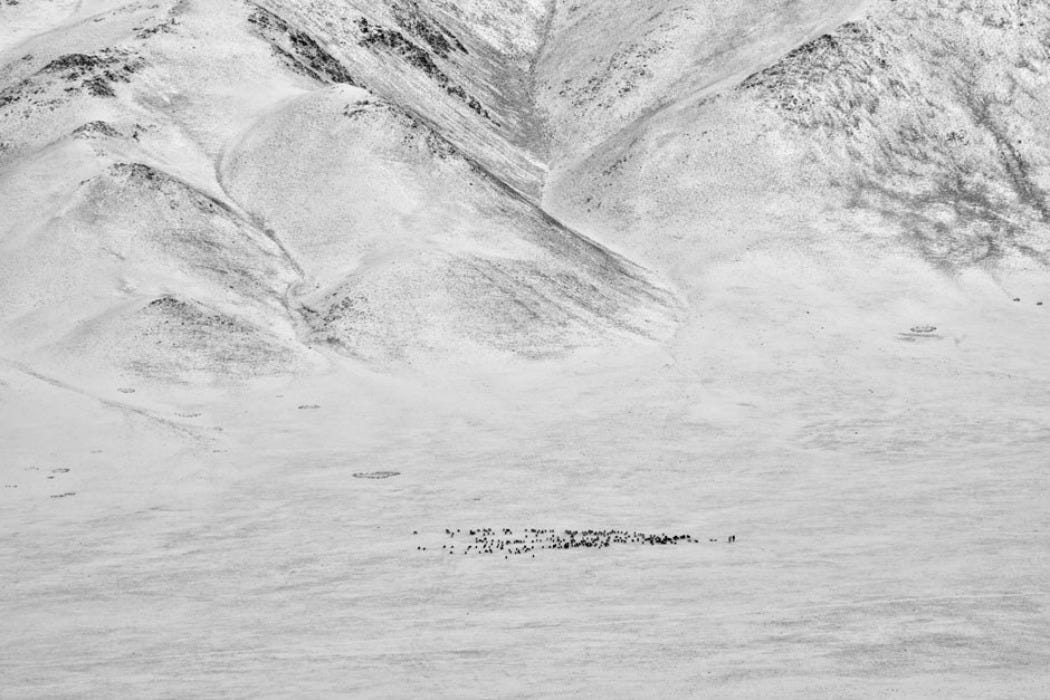
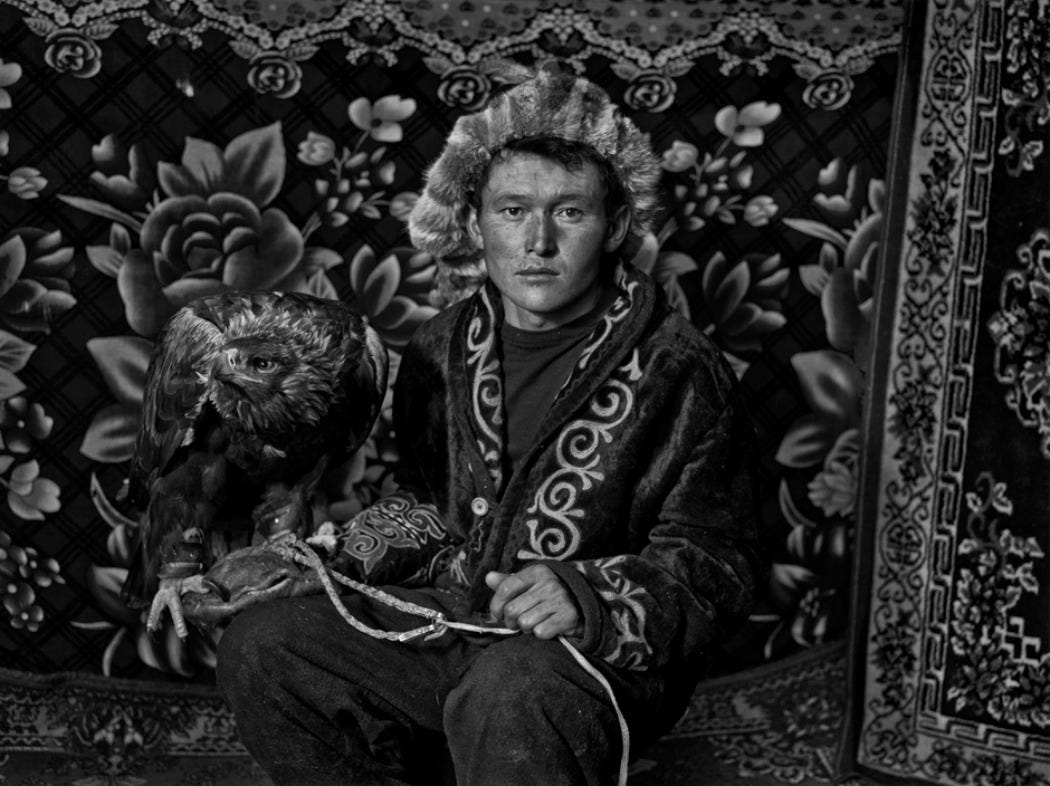
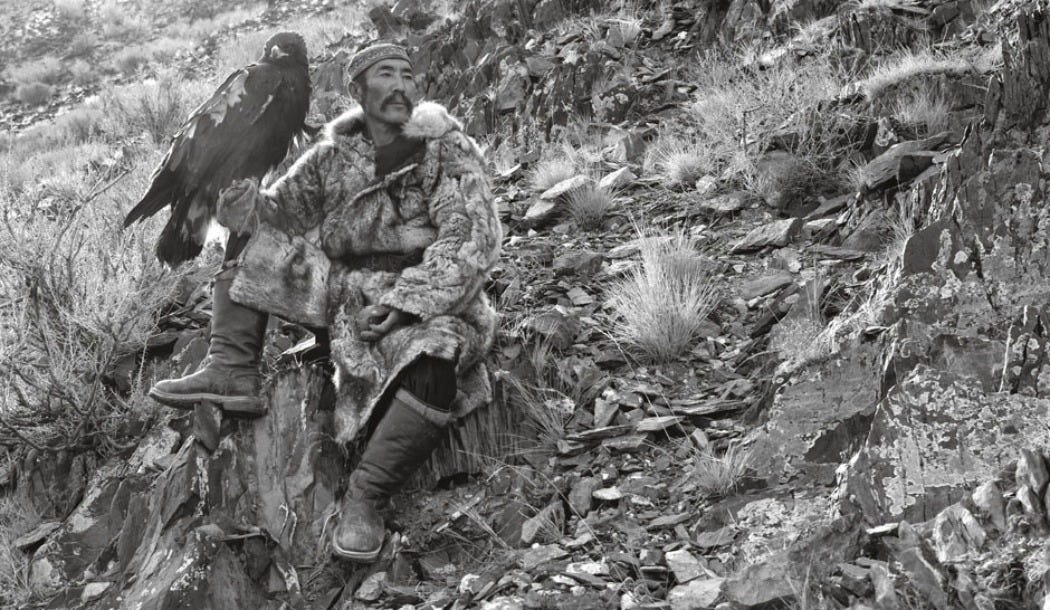
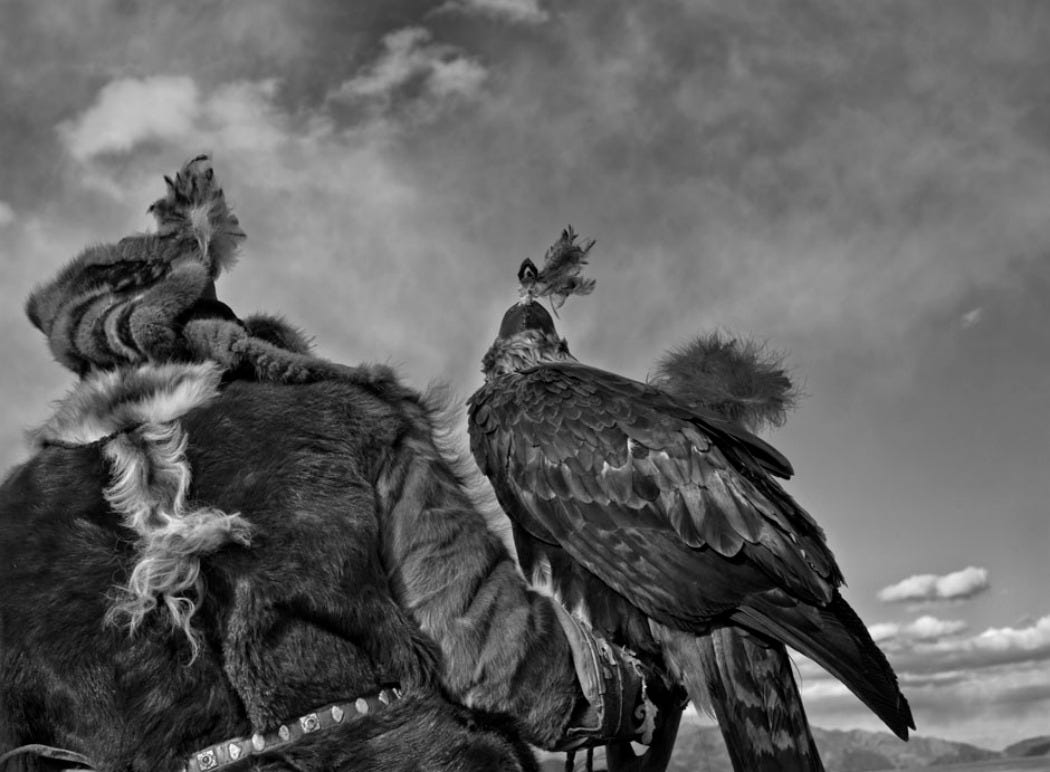
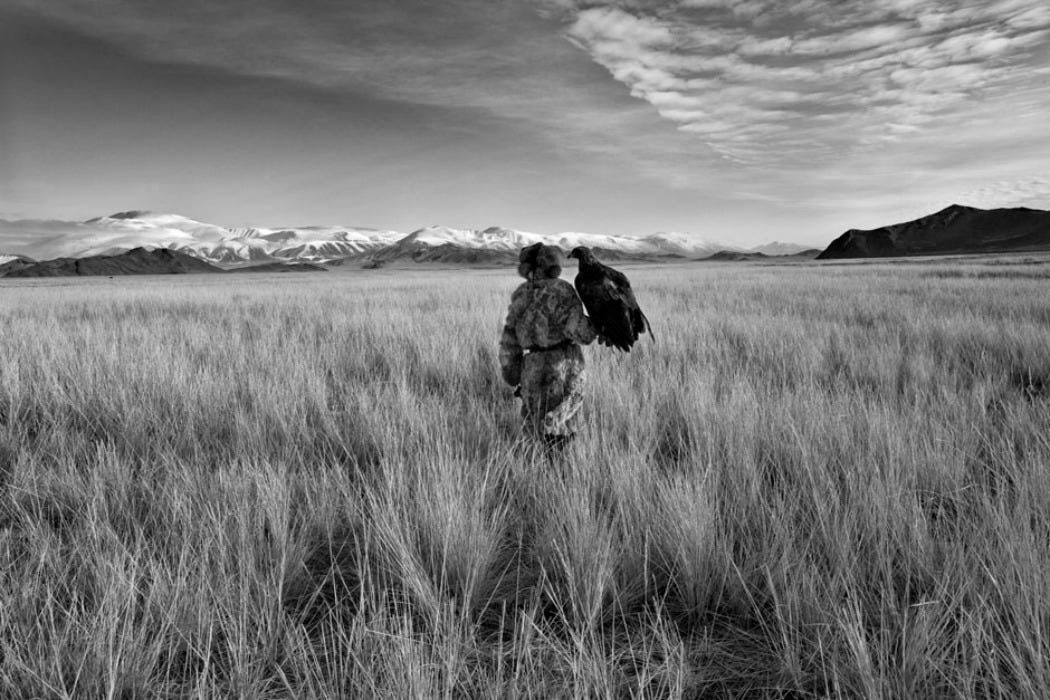
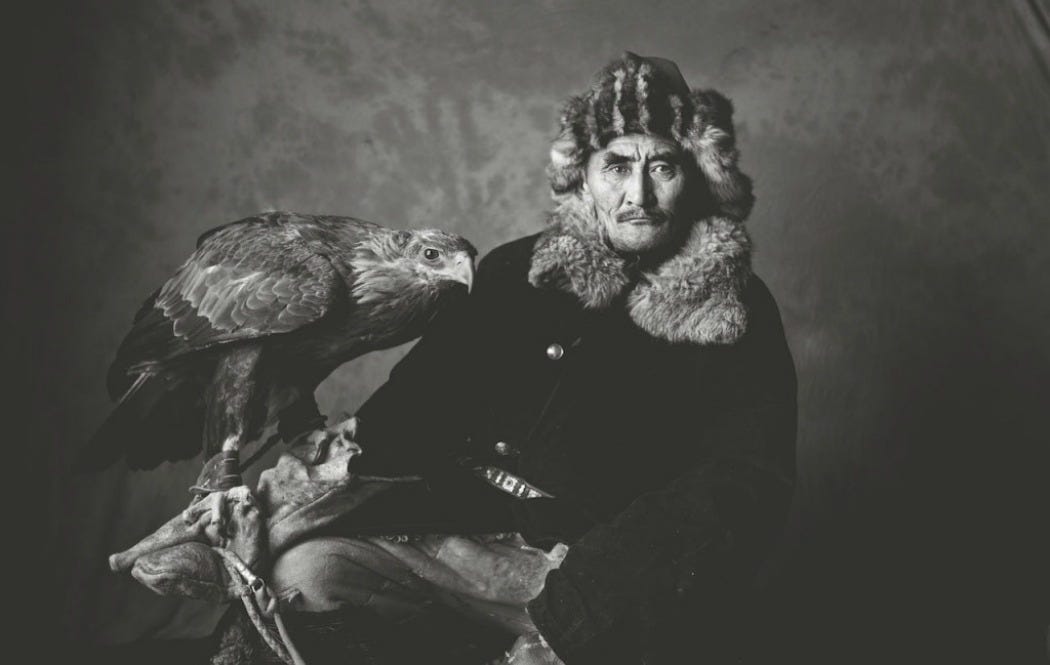
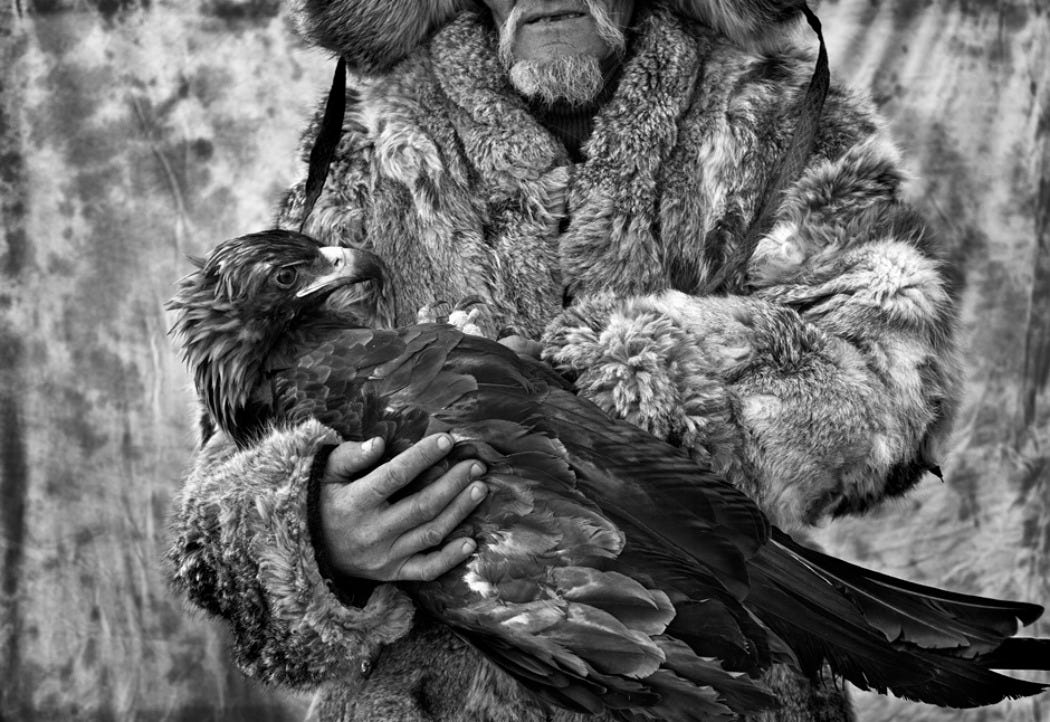
Deep in the wilds of far western Mongolia are the last remaining Kazakh eagle hunters. The burkitshi, as they are known in Kazakh, are proud men whose faces echo the harshness of the beautiful, barren landscape they call home.
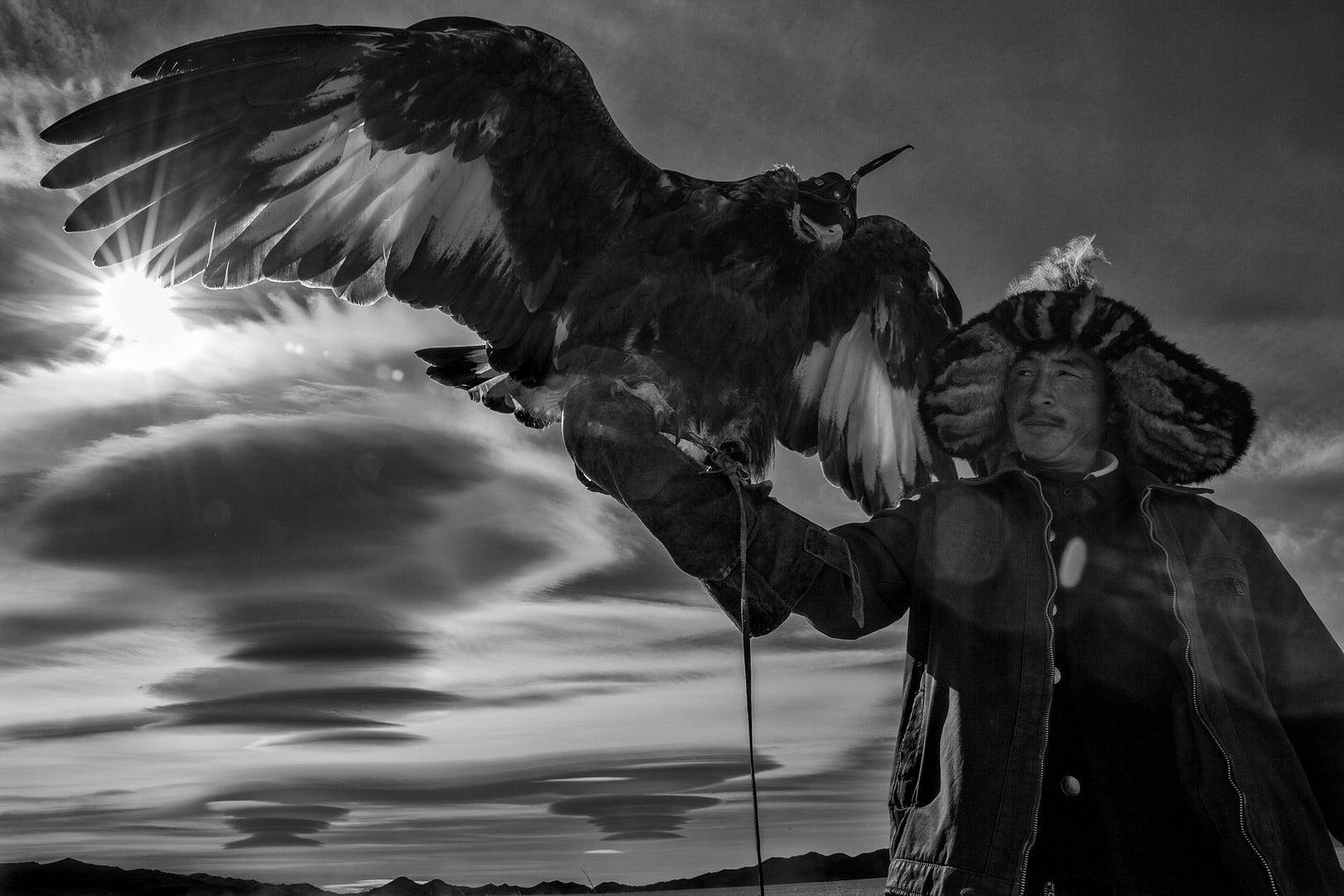
They have a remarkable bond with the golden eagle, which to them represents the wind, the open space, the isolation and the freedom found at the edge of the world.
Australian photographer Palani Mohan has spent years documenting the noble hunters, but says only 60 remain, and fears the ancient tradition could disappear within 20 years. Along with them perishes a unique way of life.
Young people are uninterested in the tradition and increasingly migrating to cities, like the polluted Mongolian capital of Ulan Bator.
Here are excerpts from the Hunting With Eagles: In the Realm of the Mongolian Kasakhs and samples of Palani’s magnificent photography.
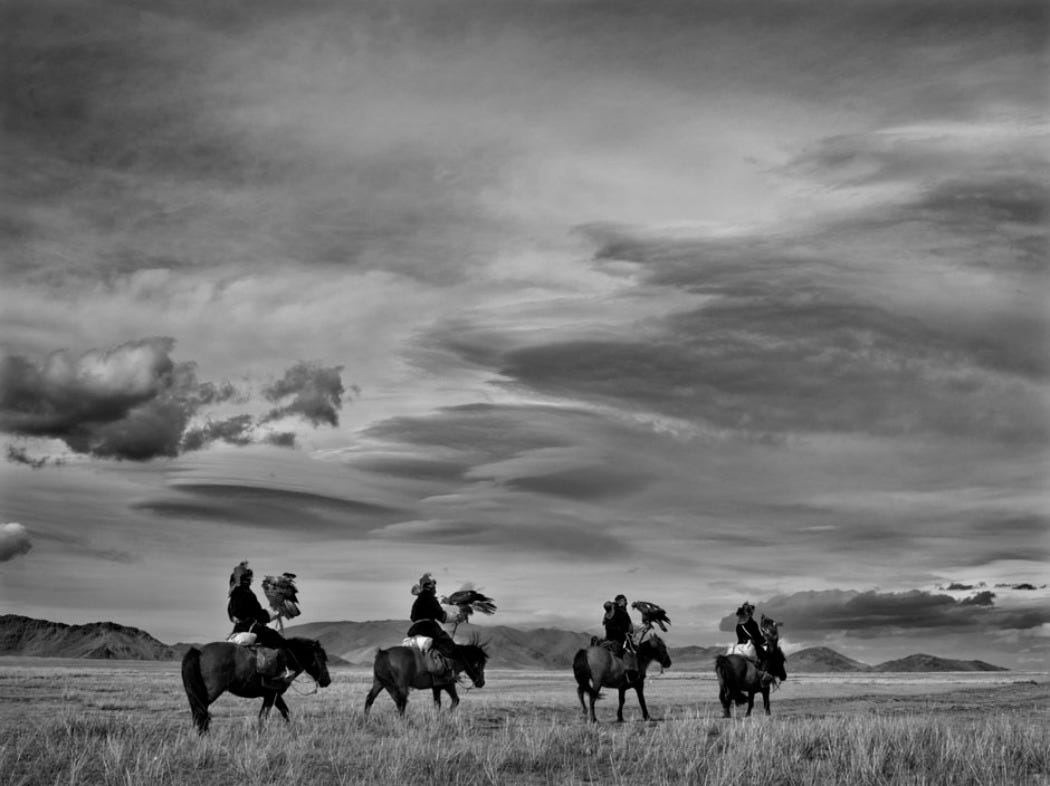
During the long winters, the eagle hunters leave their homes and head into the mountains on horseback to hunt foxes — a tradition said to stretch back as far as 940 AD.
This way of life, which has lasted for centuries, is rapidly disappearing.
“There are about 60 of the true hunters left, and each winter claims a few more because winters are incredibly brutal. And they’re getting old, and every winter about two of them die,” Mohan says.
“It’s important not to forget about people like these eagle hunters on the edge of the world.”
It is not just the bitter cold threatening to wipe out the eagle hunters.
“I’ve spoken to a lot of teenagers, men and women, and they want to wear jeans and go into town and listen to music and earn money. The eagle hunting is a lonely, cold, old way of living and like all teenagers they want the new modern thing,” Mohan says.
“Ulaanbaatar, the capital, is a very long way away but that’s where a lot of people head. People are going to Russia or Kazakhstan.”
Mohan, who was born in India and grew up in Australia, cut his teeth as a cadet with The Sydney Morning Herald. It was then that he first saw a photograph of an eagle hunter.
“Where on earth was Mongolia, and how could men tame eagles? I was desperate to go, but for 25 years I did nothing about it.”
But finally Mohan set out to photograph every remaining Kazakh eagle hunter.
“At first it’s cold and there’s no-one there, and it’s very desolate. Eventually after many days of asking people you find one,” he says.
“One eagle hunter would take me to another eagle hunter, and so it goes. But sometimes you have to drive for a couple of days to find the eagle hunter.”
He thinks he has fulfilled his dream of “finding them all”, though admits “you can never be sure”.
Mohan found the solitude and space of Mongolia very affecting, but that was not the only challenge.
“I hate the cold, and I am mainly vegetarian, so I was all wrong for this job. It’s by far the hardest thing I’ve ever had to do physically, and professionally,” he says.
“It is -40 degrees, it’s Hell on Earth. My eyes were constantly watering, which in turn would freeze, and it’s very painful.
“And my camera gear would completely collapses. Batteries have a real issue with the cold. I used to go to sleep with the batteries taped to my armpits and other warm parts of my bodies, just to keep it warm.
“When I needed to shoot I would stick my hands down my shirt and rip out the battery, and it would have hopefully a couple of minutes before the battery completely drained.
“And its very difficult to work with six pairs of thermal stuff on, and big jackets on, so it’s hard work. It’s very difficult to operate gears and buttons and cameras and so on.”
But he says the pain was worth it if his photos help people remember “people like these eagle hunters on the edge of the world”.
“It is the bond between hunter and eagle that fascinated me,” Mohan writes in the book. “All the men I’ve spoken to describe the eagle as part of the family, even as their own child. The hunters all had stories about how they loved all their birds even more than their wives. And there’s a Kazakh saying that if a hunter’s father dies on the day the snow starts to fall, the hunter won’t be at the funeral because he’ll be up in the hills with his eagle.”
This intense relationship begins when a hunter takes an eaglet from its mother and back to his own home, promising to “love [the eagle] as his own.” There, he shrouds the bird with a leather hood (tomaga) to keep it calm, and begins hand-feeding it horse and yak meat. Once the bird learns to trust its feeder, it goes on its first hunt, which Mohan describes in the book.
The golden eagle is a perfect predator, with an awe-inspiring [eight-foot] wingspan. A fox is easy prey, and when hunting in pairs, eagles are capable of bringing down a wolf.
The birds are calm and exude confidence when they head into the hunt. After the tomaga is lifted from its head and it sees the fox in the valley below, the eagle takes its time waiting for the right moment. Then, without warning, it will raise its wings and dive like a bullet, leaving a rush of air in its wake as the hunter makes a screeching sound, urging it on.
Within moments the eagle reaches its prey, sinking its claws through the fur and skin. Fox meat makes a welcome winter meal for the hunter and his family, while the pelt is kept as a trophy or made into hats and other items of clothing.
Golden eagles live till around 30 years of age, and are released back into the wild at about 15.
The hunters and their families wear their fur pelts proudly, along with elaborately embroidered robes and coats.
Golden eagles are like no other bird. They want to be with you. They love you. And they love to kill for you.
When the time comes to let them go, it’s the hardest thing a man can ever do. … I’ve had more than 20 eagles in my life. Last year I released my last eagle back into the mountains. It was as if a member of my family had left. …
This tradition is dying, and there are fewer and fewer old hunters these days. You can have an eagle, but that doesn’t make you a hunter.
In the old days, if you didn’t have an eagle next to your home you weren’t a real man. …
The young generation today aren’t interested, and there are many things that keep them busy, such as earning money and listening to music.…
We should train our children to keep this tradition alive. This is who we are. To the young I would say: the golden eagle is a holy bird; treat eagles as your children. Love and respect them. If you do this, they will give everything back to you.
RELATED SITES:
THE TED TALK
EXTENDED RADIO INTERVIEW
PALANI MOHAN’S WEBSITE

Tuesday, 4 June 2019

Twitch: The Evolution of Connectivity, A Sense of Place Magazine, 3 June, 2019.


Twitch

The Evolution of Connectivity

Humans spontaneously form villages and have an inherent desire to tell stories.
Wherever and however people gather, others are sniffing around for money.
And predators abound.
Twitch is well on the way to becoming the world’s dominant streaming platform; a quick scan of its history showing phenomenal growth.
Transformative is now an overused term; but in an era where legacy media daily discredits itself and alternatives abound, with a younger demographic which has never been seen to read a newspaper, ways of communicating and acquiring information are changing before our eyes.
Twitch credit now comes as part of your Amazon Prime account.
The decoupling of the platform from gaming since its purchase by Amazon in 2016 for just shy of a billion dollars has allowed anyone with the technical skills to livestream not just their gaming prowess but their entire lives, if they choose.
To build audiences, communities, virtual bars, to make a living doing what they love.
Twitch is an overwhelmingly male-dominated platform, with men making up 81.5% of its user base. Over half, 55% to be precise, are aged between 18–34.
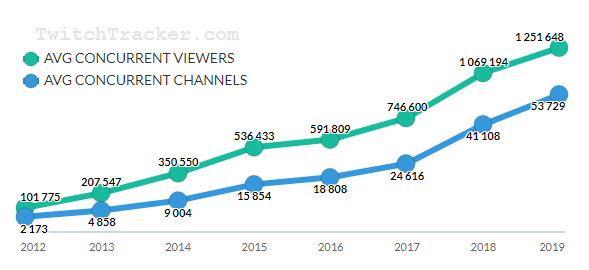
Numbers from TwitchTracker, which collates real-time as well as long-term Twitch statistics, show an inexorable rise in the number of average concurrent viewers and channels.
While 2019 is yet half done, this growth shows no sign of abating, with an 17% increase over the 2018 average.
Viewer numbers averaged 1.1 million over 2018, with average concurrent live channels standing at 41,000.
Average concurrent channels and viewers on Twitch, 2012–2019
Source: TwitchTracker
By early 2018 came the revelation that that Twitch was attracting more viewers than CNN.
January average concurrent viewers on Twitch showed a record 962k, up 22% from January 2017, and up 26% from December. For comparison, 2017 total day viewership for Fox News Channel and ESPN was ~1.5mm, MSNBC was 885K, and CNN was 783K, putting Twitch squarely among the most-watched U.S. cable channels.
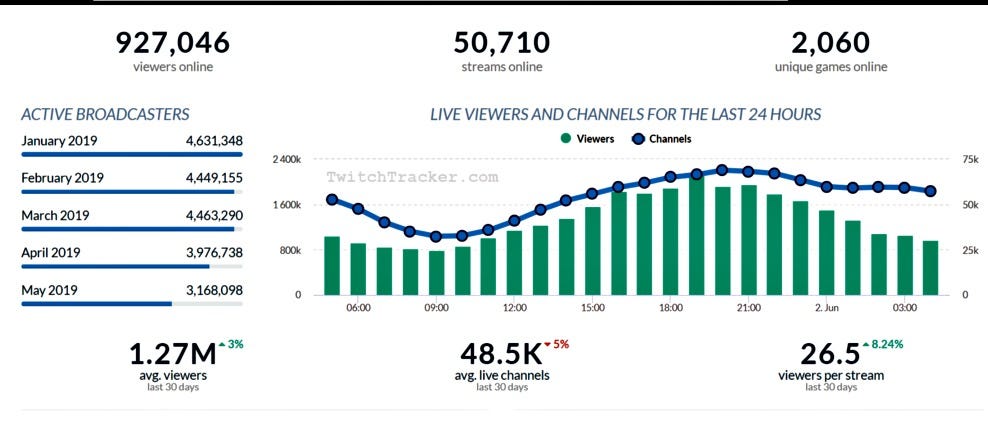
The analytics are immediate:
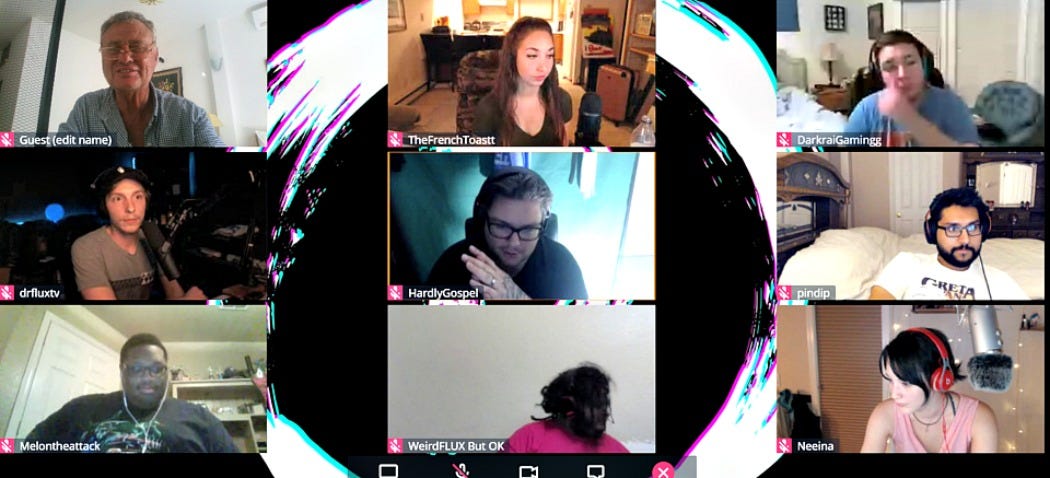
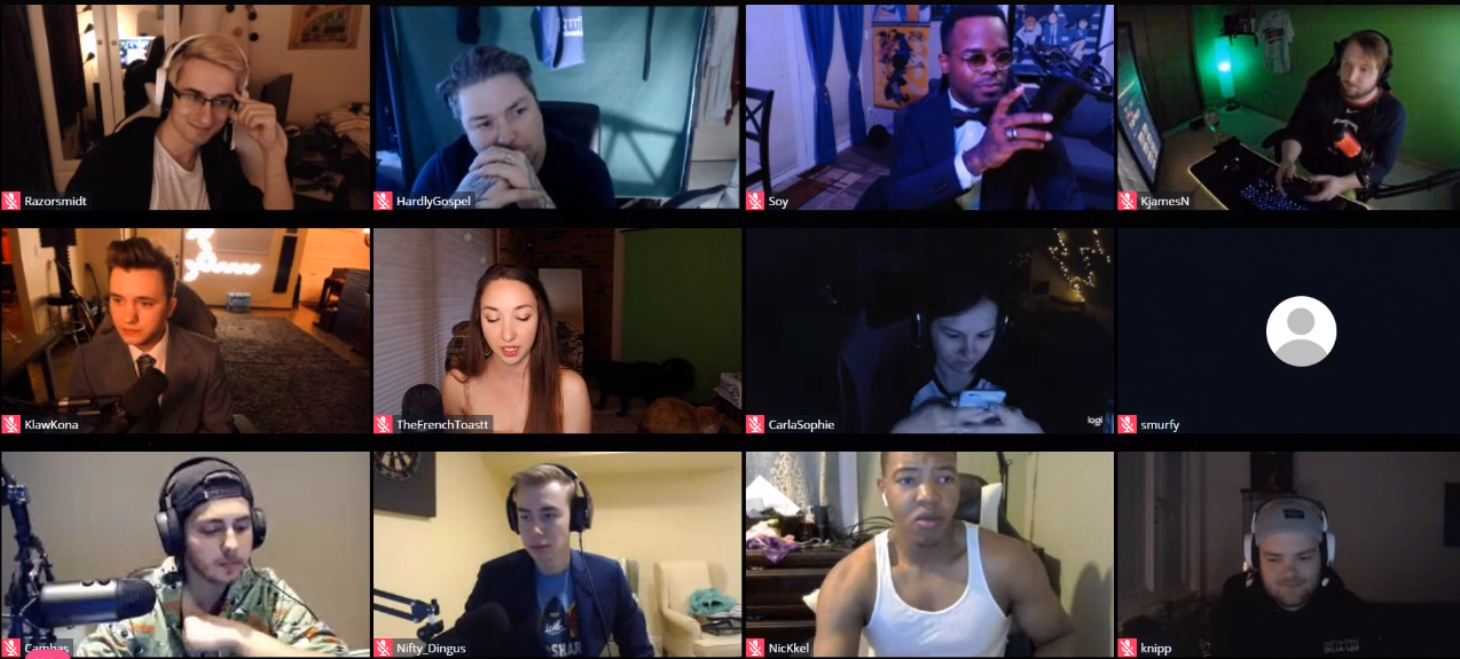
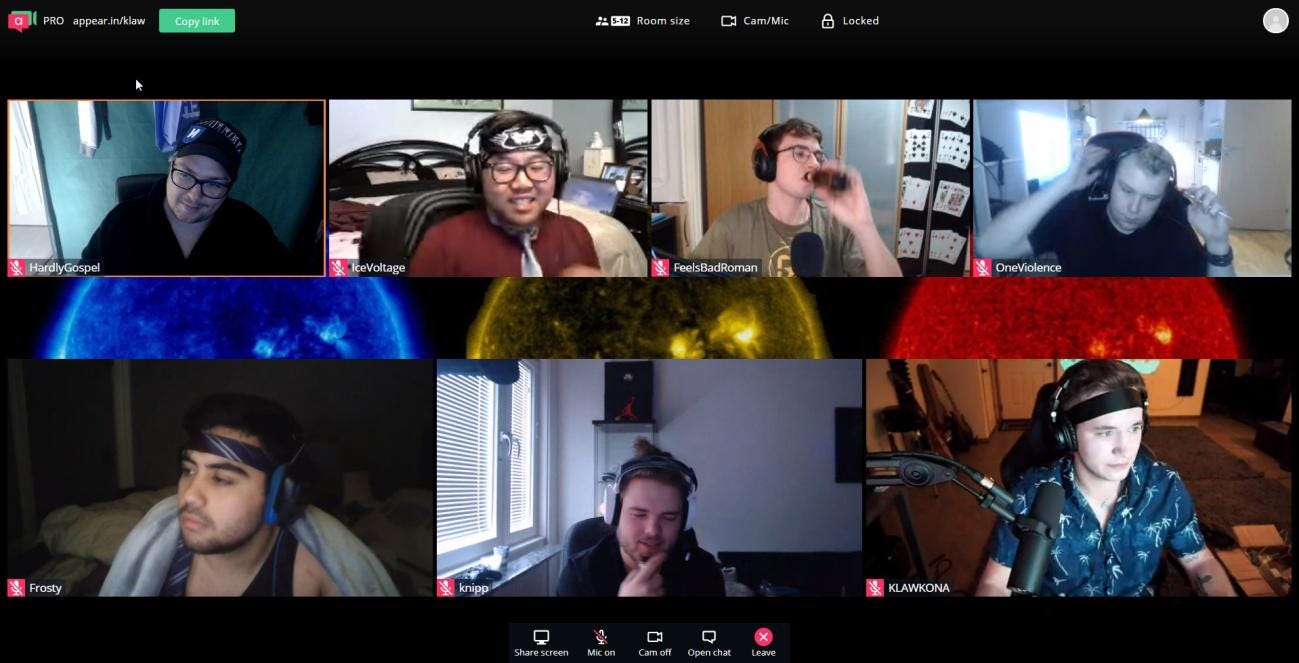
The arrival of other technologies, including Discord and Appear.in, have allowed the set up of virtual bars, and just like a real bar, there are the quiet ones and the born performers; the braggards and the prescient. The trolls, the pests, and the truly dangerous. There are bars full of charming and intelligent people. And the rest.
It is not just a benign world where you can mix with like minded people. Encounter celebrities or become a mini-celebrity yourself. Even make a living.
It is a dark forest.
However abhorrent it was, the live streaming to Facebook of the Christchurch massacre cut new technical ground.
A lunacy has been unleashed.
We see the best and the worst. An ungovernable place.

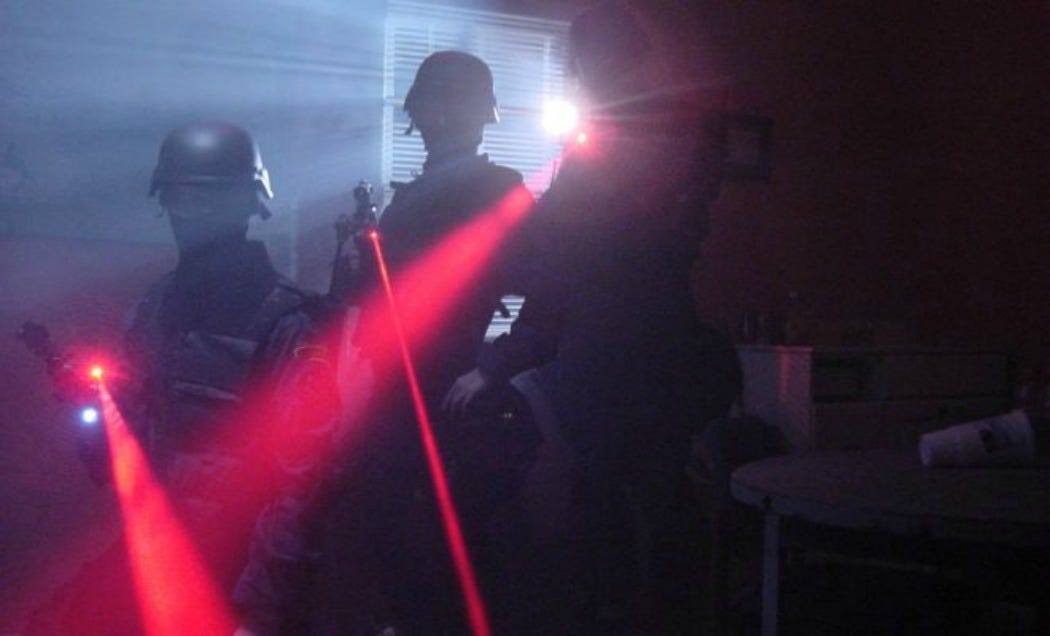
Swatting

Image by Jason Eppink
Nothing illustrates the dilemmas of Twitch more strikingly than the dangerous game of Swatting.
It is often linked to Doxxing, which Law Street defines as:
Doxxing, which comes from the word “document,” is the release of an online user’s private information, including but not limited to photo, address, birthdate, and Social Security number. This release is usually done for a particular purpose, for example, to reveal the anonymity of a person online.
Someone who operates under their own name, say a journalist, could also be doxxed, if their personal information is disseminated to the internet. And it’s not just individuals who can be doxxed, as the term can be applied to group membership. But no matter who is doxxed, it’s safe to say that someone who doxxes someone else intends to cause some sort of harm.
For fear of harassment in a world of trolls, both in the real world and online, more experienced streamers go to great lengths to hide their real identities and physical location, including never streaming in front of the fridge, for example, where a bill may be pinned.
Nothing is more creepy than for a female streamer who lives alone to start receiving flowers from someone they don’t know.
A card reading “Black Roses for a Black Day” does not bode well.
A woman who streams as Neeina told A Sense of Place Magazine:
We are way more vulnerable in our real lives than movie stars.
Nobody is worried where Tom Cruise is. He has staff.
Big people have security. Small people don’t.
Streaming itself is so young. It is only seven years old.
I had someone send flowers to me.
I don’t have staff. They are being predatory.
It is a free platform for everyone. We have no power to go against it. I think I should have a defence against them.
Swatting takes online harassment to a new level.
A classic example:
An inexperienced teenager sets up their own channel on Twitch and is delighted to attract followers, applause and a trickle of money.
One way or another they give away their identity and location.
A malevolent actor then alerts the local authorities to disturbing events at the teenager’s address — a woman being attacked, someone making a bomb, escalating the story to the point where a police SWAT Team breaks down the door.
The teenager, with headphones on, hears nothing until the SWAT Team appears next to them in their room.
All on camera. All streamed live.
You’ve been Swatted.
Three perfectly innocent people are reported to have been killed so far in similar scenarios.

Reasons For Success

Frenchtoastt stream
The early history of Twitch is already etched as corporate legend.
Mansoor Iqbal records the basics in The Business of Apps:
Twitch was founded by Justin Kan in 2011, originally as a spin-off of Justin.tv. The latter started life in 2007 as a single channel, live broadcasting Kan’s life around the clock — pioneering the concept of ‘lifecasting’.
What may have seemed extraordinary in the early part of the millennium has become common place as all sorts of people stream large parts of their life straight to the net, be it shopping in the supermarkets of Tokyo or a boys night out in Los Angeles.
The website attracted interest from others who were more interested in broadcasting their own lives than viewing that of Kan’s, which had nonetheless served as great exposure for Justin.tv. Acting on this interest, the site relaunched later in 2007, allowing users to create their own channels and broadcast their own content through the platform.
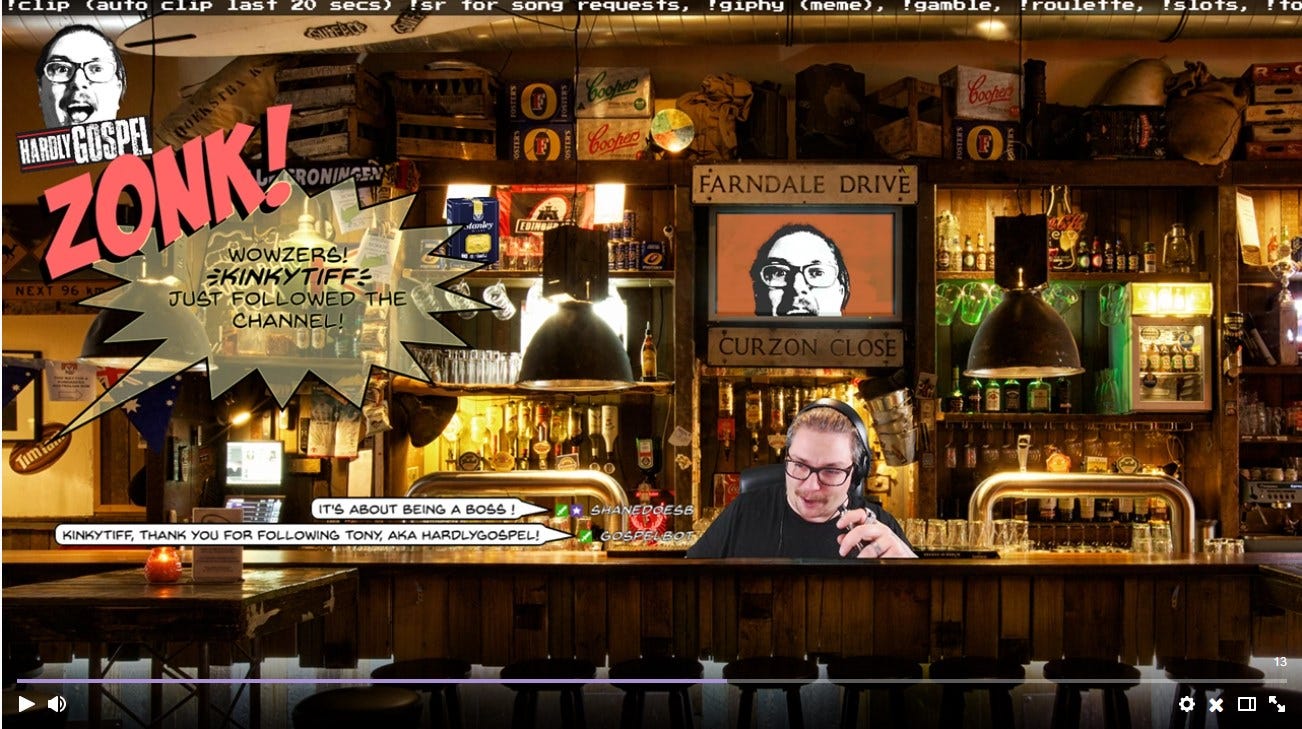
Hardly Gospel, who like many other streamers on Twitch hides his real identity, live streams, participates in other people’s streams, and is an acute observer of the evolving platform.
“It is the better platform by far for streaming live content,” he told A Sense of Place Magazine.
It is better by far than YouTube because of the community tools. There are easier ways to sort out the viewing experience you want. You type in the game or type of content you want.
In YouTube there is no way to sort what sort of content you are looking for; and none of the group aspects.
It is also much easier for smaller streamers to get a foot up.
YouTube also suffers from a number of other constraints, particularly its restrictions on what can or can’t be said.
Hardly Gospel says the concept of hate speech is a product of Silicon Valley; Twitter, Facebook, YouTube, Google are all in what is becoming known as the axis of evil, of censorship.
They all have the same terms of service, which revolves around prohibitions on the use of hate speech — which is incredibly hard to define and up to the individual to determine.
Hardly Gospel says while Social Justice Warriors are trawling Twitch looking for streams to complain about, it is nowhere near as restrictive as YouTube.
As the pendulum has swung far to the left everyone has become aware that it is problematic.
I am not a conservative, but I can see why the conservatives are coming out ahead the world over. The outrage deplatforming culture is many ways responsible for the right being elected.
The left are losing their minds and expecting the ridiculous from everybody.
It robs people of the ability to tell jokes.
The left love being outraged. I don’t want to live in a society where I have to watch everything I say for fear of being cancelled.
Streamers constantly complain of being taken down from YouTube for minor slips of discipline.
For instance, if you sing with your own voice any song that is in copyright the algorithms will automatically demonetise you.
And if you use fowl language you are demonetised. You have to be family friendly.
Almost no one is family friendly on Twitch, which allows you to stream regardless of whether you are edgy.
Another of the draws is that it is easier to monetize on Twitch. You only need three concurrent viewers over 30 days to become an affiliate, which is how you monetize.
That is a step under a Partner. A Partner can monetize through advertising; running ads which Twitch provides. The more viewers a streamer has the more money they get.
At the opposite end of the myriads of small streams, the platform is also attracting celebrities in their own right.
Herman Li of DragonForce now streams to Twitch, as does US rapper Soulja Boy and songwriter Post Malone.
Ozzy Man Reviews, who has 3.7 million followers on YouTube now streams to Twitch, where he has 226,000 followers.
Australian-born comedian Isaac Butterfield now also streams to Twitch, where he attracts thousands of viewers.
American celebrity Andy Milonakis travels around the world and Twitches his career, making money along the way.
They are personalities on Twitch. They don’t need the money.
But plenty of others do.
Streamers on Twitch are there for as many different reasons as there are personality types.
Here’s a small sampling spoken to by A Sense of Place Magazine:
Pindip:
I am on Twitch just for selling and marketing. It is at the point where we have a community. But Twitch is a business after all. The incentive is to give people their own voice. Their actual motivation is money.
Dr Flux TV:
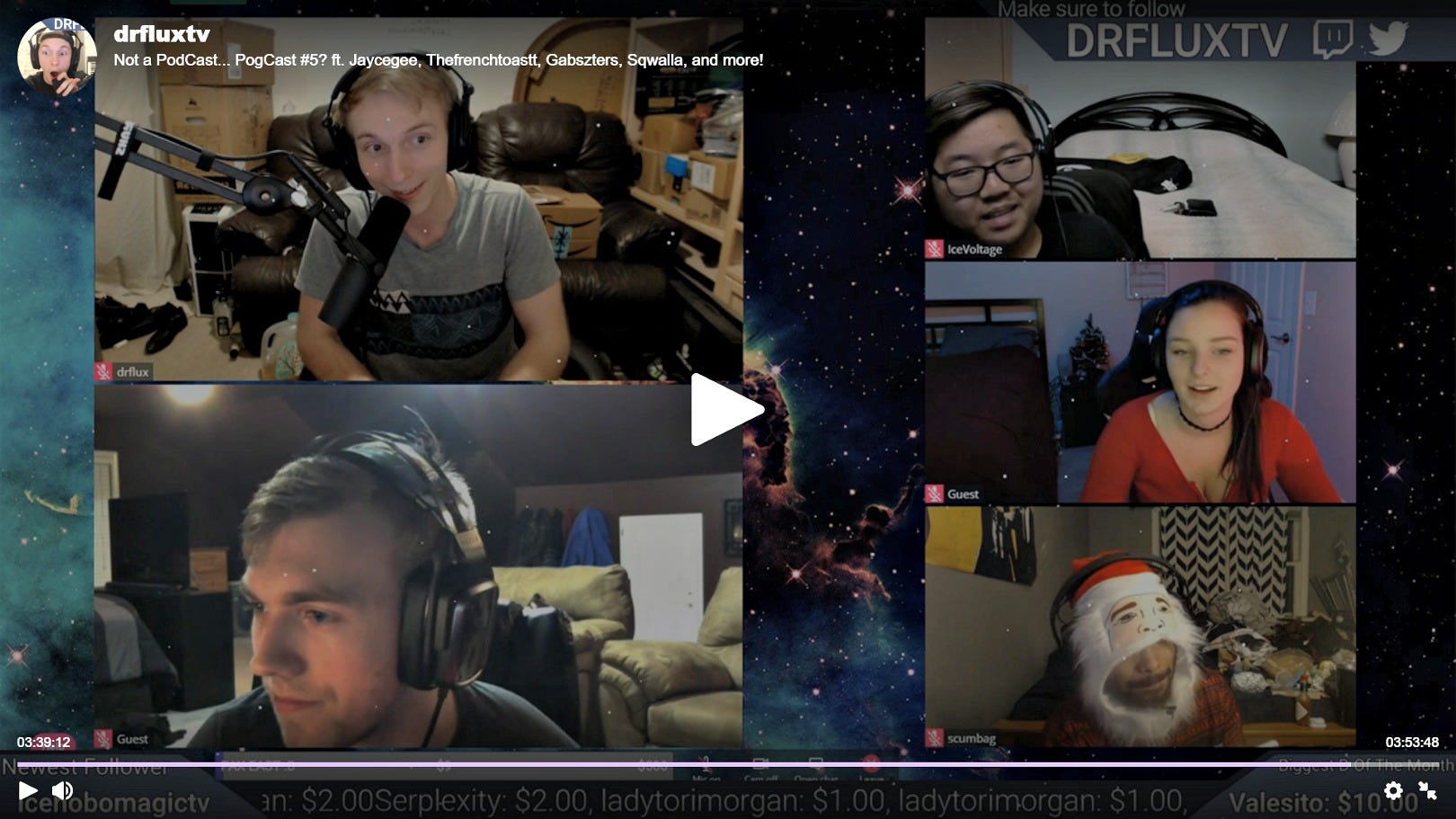
Deep down at the most personal level I have always been an entertainer. The only thing I ever wanted to do was make people happy. The words “I love your stream” can see me through hard times. I have a fulltime job. I am on Twitch to make people happy.
Claire (TheFrenchtoastt):
I have been streaming since February, 2018. I have been able to quit my job and pay the rent. I am more of a creator than a consumer. I have always liked the idea of connecting, to be able to have a community sense. It has been a rollercoaster, but it is super fun.

In Another Realm: The Virtual Bar

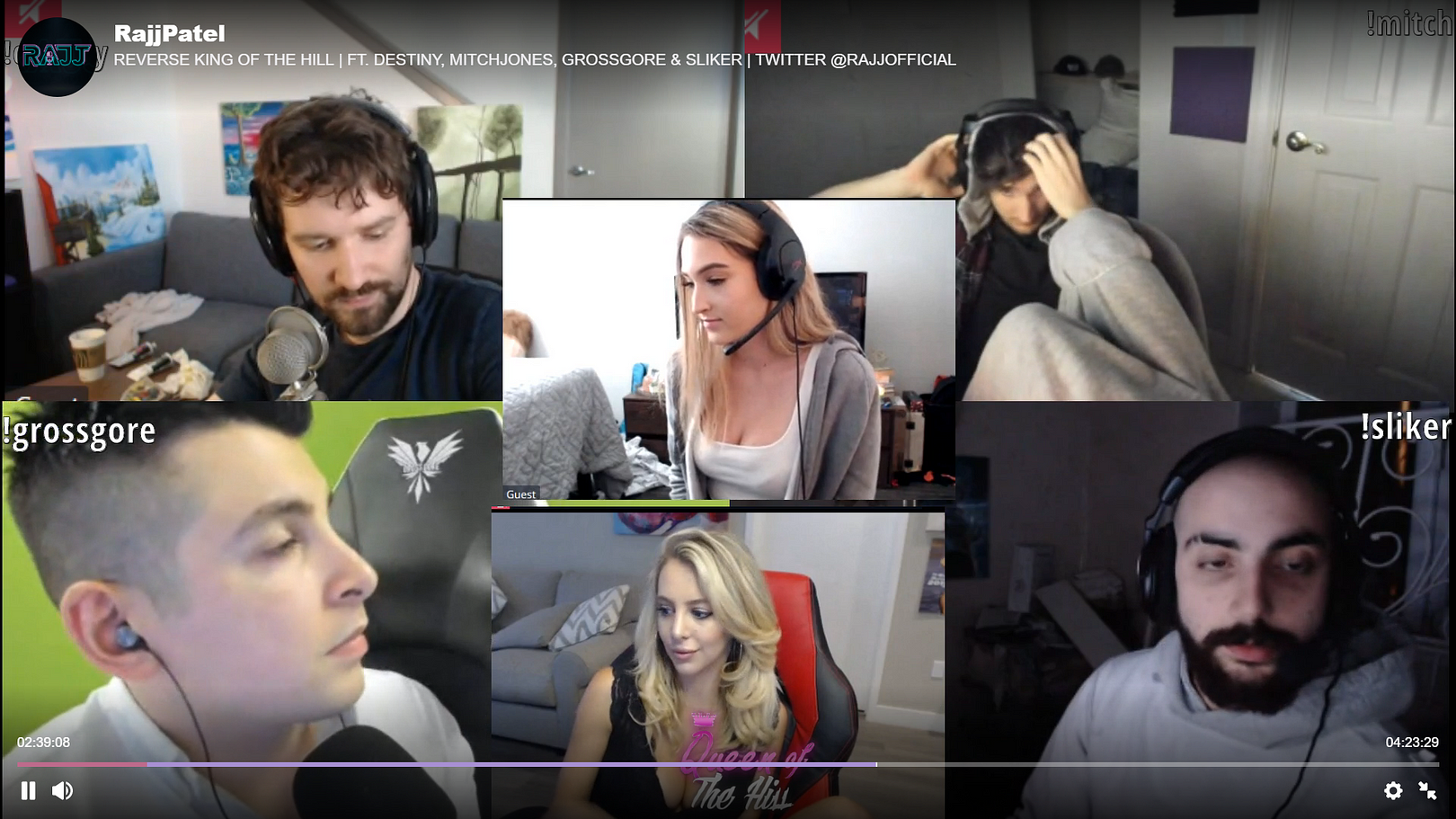
Rajj Patel stream
As Joseph Campbell wrote in his classic The Hero With A Thousand Faces, many people who lack their own village recreate villages wherever they go. Thus they gather with each other at crossroads, or at a certain cafe, the bakery, the breakfast-place, at the curb or on street corners, all to “jape and jaw,” that is to talk long-windedly and jokingly with one’s peers about each other’s latest exploits.
And in between the exploits, they tell all the old personal and mythic stories each can remember, which have been passed down or which they have discovered of their own accord.
These are all reassertions of tribal story gatherings.
Even in a dark forest full of trolls, people gather, for confirmation, to gossip, to laugh, relax, fall in love.
There is an old Peruvian saying:
We become a person amongst persons.
Now the 21st Century and the rapidly evolving technology has seen the rise of what amounts to virtual bars, people in groups talking at length about anything and everything, joking with each offer.
The community aspect is strong.
All the biggest content creators on Twitch are alcoholics. You lose your inhibitions, you’re more funny, edgy, witty, and as far as the viewers are concerned, your content is better.
Not everyone is a pisshead, but most of them.
Drinking games are big, although not condoned or endorsed. There are power hours, where everyone takes a sip every minute.
There is a new generation of people who, rather than going to pubs or bars, are firing up a virtual bar.
They are saving money in the process and it is becoming a thing; bigger and bigger every day.
It is good for people who work, have long hours, social anxiety. A lot of people on Twitch have anxiety and are using the platform to get past their mental health issues.
One of the upsides is it gives people who have difficult finding or making friends outside their house a space where they can go to and get to know people online.
More and more people are finding they don’t have to leave their home. But through their computer the bars are always open, people can always drop in to see if anyone is around.
Hardly Gospel in his own Virtual Bar